Go Birding with Saudi Birding


Upcoming Departures
November 6 - 13, 2026
Pairs with: Arabian Endemics (October 27 - November 4, 2026)
Save $250 when booking both tours
November 6 - 13, 2027
Pairs with: Arabian Endemics (October 27 - November 4, 2027)
Save $250 when booking both tours
At a Glance
Duration: 8 days
Group Size: Maximum 6 participants
Start/End: Riyadh (RUH) or Jeddah (JED)
Habitats: Mountains; sandstone canyons; basalt plateaus; irrigated farms and plantations; sand and sand-gravel deserts; northern Red Sea coast
Targets: Select Arabian endemics and regional specialties of the Western Palearctic; rare to uncommon larks and wheatears; rare to uncommon wintering raptors and shorebirds
Climate: Cool to mild days; chilly mornings; generally clear and dry throughout November
Physical Level: Light to moderate walking on rocky and sandy terrain
Transport: SUVs throughout






Tour Overview
Our Northwest Saudi tour explores the Kingdom’s vast and underbirded Western Palearctic landscapes, spanning granitic mountains, basalt harrats, sandstone canyon systems, irrigated oases, open desert plains, and stretches of the northern Red Sea coast. While traditionally considered beyond the core range of most Arabian endemics, the region is increasingly revealing a subtle northward push of species such as Arabian Partridge, Arabian Sunbird, and Arabian Serin—developments of particular interest to Western Palearctic listers.
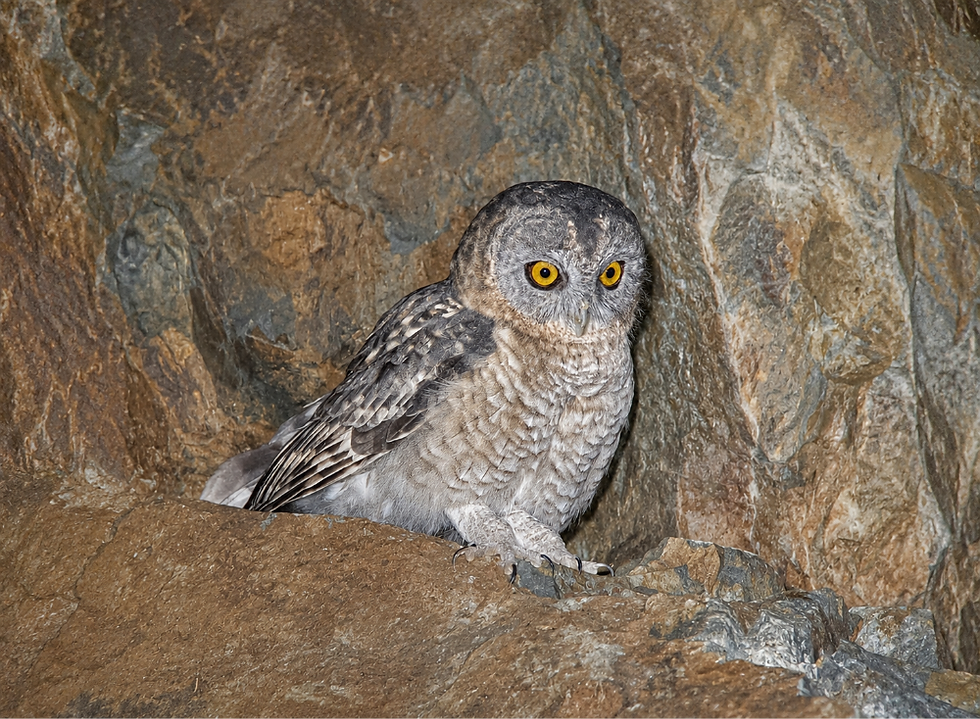
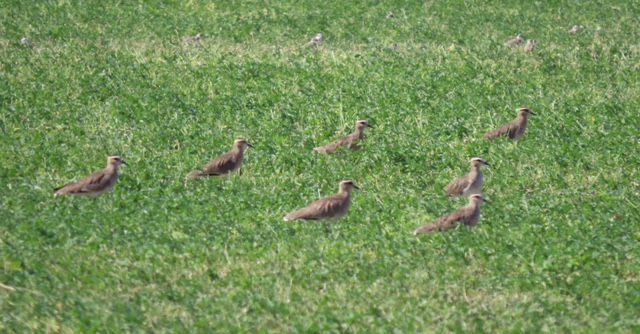
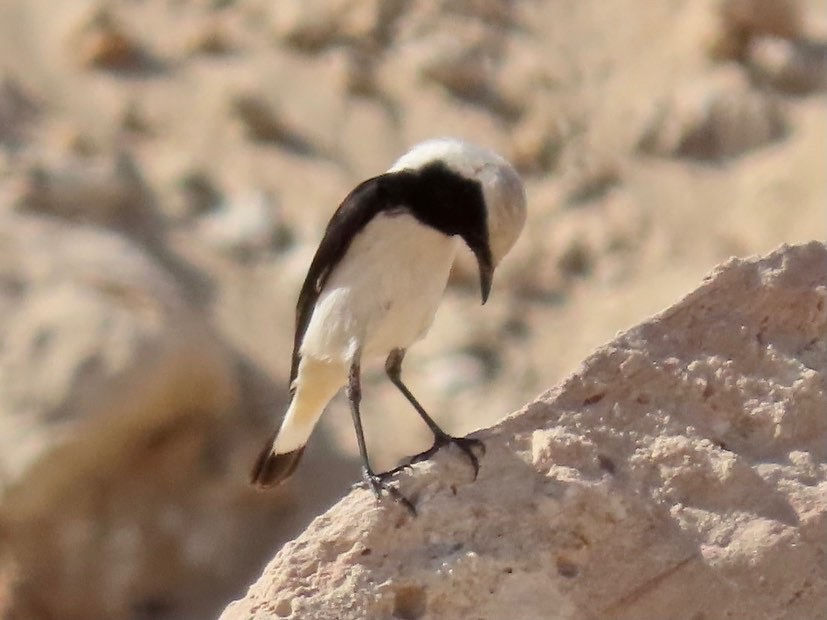
Key targets reflect the northwest’s firm placement within the Western Palearctic. Among the galliforms, we also look for See-see Partridge and Chukar. Seasonal wetlands and agricultural areas may produce Sociable Lapwing and Eurasian Dotterel, while the northern Red Sea coast can yield White-eyed Gull and Armenian Gull, along with possible Goliath Heron at select sites. Raptors include Verreaux’s Eagle and a range of less common wintering birds of prey. Nocturnal efforts focus on Desert Owl, Pharaoh Eagle-Owl, and Pallid Scops-Owl. Desert passerines are a major highlight, with Arabian Lark, Thick-billed Lark, and Temminck’s Lark; Asian Desert Warbler; Kurdish, Red-rumped, and Finsch’s Wheatears—with the added possibility of Basalt Wheatear given the proximity to eastern Jordan; and finches including Sinai Rosefinch, Syrian Serin, Desert Finch, and Trumpeter Finch.
Beyond the birding, the tour moves through some of Arabia’s most dramatic geological and cultural landscapes—from the towering sandstone walls of Wadi Disah and the sculpted Gharameel spires to the Nabataean grandeur of Hegra and the enigmatic Rajajil Columns—along with petroglyph and inscription sites that reflect millennia of human presence across the region. As in all our tours, natural history and cultural heritage are explored together, offering a fuller sense of place.
What Our Clients Say
.jpeg)
"Although Saudi is opening up gradually, it’s still not an easy place to navigate. Gregory is the perfect guide for the country though—he knows the sites, knows the language, the customs and the culture, and has an incredible network of some of the friendliest local birders who helped find some very local and difficult regional endemics."
Jonathan Angliss, February 2025 Northwest Tour